Brand Ambassadors: Who They Are, What They Do, and How They Power Brand Growth
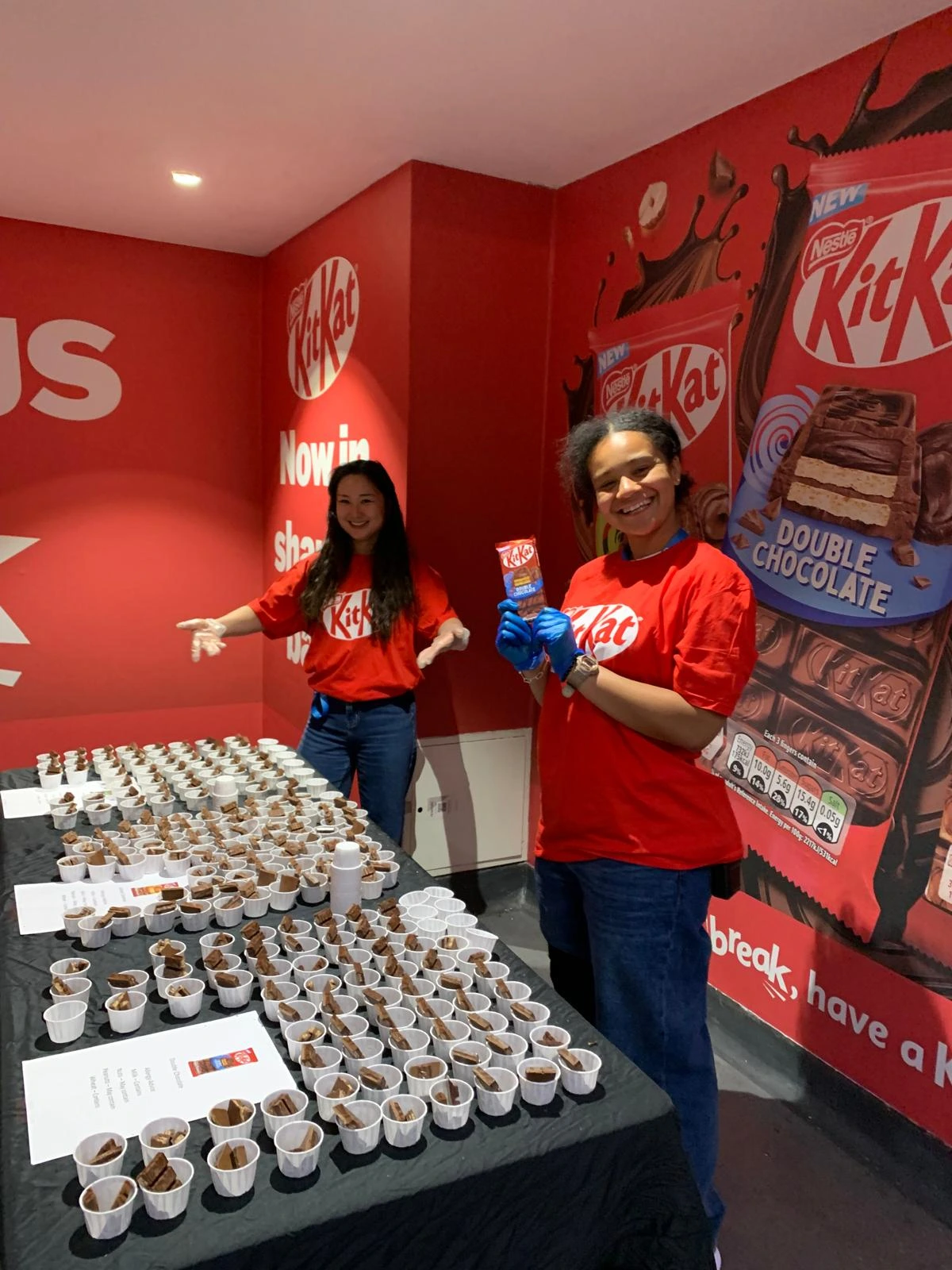
Brand ambassadors are individuals who positively represent and promote a company to build public awareness, credibility, and trust. By replacing traditional advertisements with authentic, personal endorsements, these advocates connect directly with audiences through live events, product demonstrations, and social media content. Utilising well-managed ambassador programmes allows modern businesses to give their brand a relatable human face, bridge the gap between corporate messaging and consumers, and ultimately drive long-term customer loyalty and sales conversions in a highly competitive market.
What is a brand ambassador and why do they matter?
A brand ambassador is a dedicated supporter who actively champions a business to encourage positive word-of-mouth recommendations among potential buyers. Rather than relying on rigid script-reading spokespeople, these representatives share genuine experiences, deep product knowledge, and personal enthusiasm.
They play a vital role in modern corporate growth because modern consumers are increasingly sceptical of standard advertisements. People naturally seek out real recommendations from sources they perceive as credible. When looking to design impactful public campaigns, businesses often partner with specialists to deploy advanced event and experiential marketing strategies for memorable brand engagement, ensuring that human interactions seamlessly align with broader promotional goals.
What are the key types of brand advocates?
Companies can utilise different types of advocates depending on their target demographics and campaign objectives. The most common categories include:
- Influencer ambassadors: Social media creators with established, dedicated online audiences who highlight products through highly visual posts and videos.
- Customer ambassadors: Loyal consumers who share their organic satisfaction with friends, family, or online communities without requiring financial incentives.
- Employee ambassadors: Internal staff members who represent the workplace publicly, providing unique insider expertise and operational credibility.
- Affiliate or partner ambassadors: Promoters or external businesses who share custom tracking links and earn a structured commission on resulting sales.
What are the core responsibilities of a brand ambassador?
The daily tasks of a promotional advocate fluctuate depending on the specific campaign, but their primary focus is always on generating positive exposure. On the ground, they frequently demonstrate products at live exhibitions, distribute physical samples, or lead interactive sessions to encourage direct consumer trial.
Online, their duties involve writing honest reviews, posting creative lifestyle content, or hosting live streams. They also answer public questions, gather consumer feedback, and share audience reactions directly with marketing managers to help optimise future product iterations.
While these duties are standard across the industry, the role evolves significantly when operating on a premium scale. For a deeper look into how high-level representation functions, companies can explore what a field marketing agency does to coordinate elite promotional talent across major cities.
How do businesses benefit from ambassador programmes?
Deploying a structured advocacy network offers distinct commercial advantages over static digital banners or print media, including:
- Increased brand awareness: Advocates extend a company's organic reach by introducing products directly to their personal networks and niche online communities.
- Improved market credibility: Recommendations coming from real people feel significantly more trustworthy than corporate marketing messages.
- Higher engagement and sales conversions: Direct, face-to-face interaction breaks down buying friction, leading to immediate purchases and higher repeat customer rates.
To explore how these benefits come together to support your wider operations, visiting the homepage of The Ann Savva Group can connect you with comprehensive promotional and experiential resources.
What makes an effective brand ambassador?
A strong ambassador combines exceptional communication skills with a genuine, undeniable passion for the brand they represent. Ideal candidates are reliable, approachable, and highly active on the specific platforms used by your target market.
They must understand the product mechanics well enough to answer unexpected technical questions accurately while keeping their delivery engaging. For businesses selecting staff, it is crucial to look for individuals whose lifestyles naturally reflect the corporate identity and who possess a proven ability to positively influence their peers.
How can individuals become a professional brand ambassador?
For individuals looking to enter the promotional sector, the journey begins with establishing a clear personal brand and showcasing a consistent interest in a particular industry, such as beauty, tech, or fitness. Sharing honest reviews, growing a dedicated social media presence, and tagging favourite businesses are practical first steps.
Companies frequently scout for enthusiastic customers who are already organically discussing their items. For those ready to step into professional roles and represent leading global corporate names, they can apply to join us to access top-tier live campaign opportunities.
How to build a successful brand ambassador programme?
Creating a highly profitable ambassador framework requires structured preparation and clear performance metrics. Businesses should follow a precise pathway to ensure operational success:
- Establish clear objectives: Decide whether the primary goal is boosting local brand awareness, gathering product feedback, or driving immediate digital sales.
- Select the right advocate segment: Determine whether your goals are best served by wide-reaching online influencers or highly knowledgeable internal staff.
- Onboard and train thoroughly: Provide advocates with comprehensive brand history, product mechanics, and clear communication guidelines to keep messaging consistent.
- Maintain regular communication: Set up structured feedback loops, provide updated digital assets, and offer motivating incentives like complimentary products or commission bonuses.
How should companies find and manage promotional talent?
Businesses can locate potential representatives through customer databases, social media hashtag tracking, and industry networking events. After recruitment, effective management becomes the key driver of campaign success.
Managers should track real-time performance using clear data indicators like engagement rates, custom website traffic, and coupon redemptions to calculate a precise return on investment. To find creative inspiration for your next consumer-facing campaign, exploring a variety of field marketing ideas can help you design unique spaces for your staff to interact with the public.
Why are employee brand ambassadors valuable corporate assets?
Internal employees provide a powerful competitive advantage because they possess an intimate, first-hand understanding of your company's inner operations and workplace culture. Encouraging staff to share their positive day-to-day experiences on professional platforms or at public trade shows builds an undeniable level of consumer trust.
This internal approach serves as a cost-effective marketing tool that expands your organic reach while simultaneously boosting internal team morale. Furthermore, visible employee advocacy helps attract top-tier professional talent by showcasing a positive, transparent, and active corporate environment.
When should a brand integrate specialised activation strategies?
For high-profile campaigns, scaling your real-world outreach ensures maximum impact. When executing a major product debut, combining your advocates with specialised product launch event management strategies for impactful brand debuts ensures that physical layouts and consumer touchpoints are perfectly optimised for immediate sales.
Marketers looking to expand their local footprint can deploy a selection of 20 high-impact field marketing activities that drive real results, such as pop-up shops, street teams, or targeted sampling. This strategic alignment answers the core question of what is brand activation in marketing, which is the process of driving consumer action and building trust through memorable, interactive real-world experiences.
What legal and ethical considerations protect public trust?
Absolute transparency is vital for the long-term survival of any ambassador programme. Businesses and creators must strictly follow local advertising guidelines, such as the UK's Advertising Standards Authority rules, which mandate clear, unambiguous disclosures like "#Ad" when content is sponsored or financially incentivised.
Detailed contracts should clearly outline ambassador responsibilities, content ownership rights, payment terms, and brand safety standards to protect both parties. Ensuring that all public endorsements are fully honest helps maintain consumer trust and protects the business from costly regulatory penalties.
What real-world insights demonstrate ambassador success?
Successful ambassador campaigns can be found across every major industry. For instance, a well-known beverage company recently increased its regional market share by collaborating with local micro-influencers to host interactive community events.
Similarly, a major technology firm successfully accelerated its latest product roll-out by utilising employee ambassadors to share exclusive, behind-the-scenes engineering content online. These real-world examples demonstrate how combining personal human passion with a highly structured corporate programme leads to elevated consumer engagement, positive media coverage, and measurable business growth.
FAQs on Brand Ambassadors
What is the difference between a brand ambassador and a traditional spokesperson?
A traditional spokesperson is usually a high-profile celebrity hired for short-term, scripted television or print advertisements, whereas a brand ambassador focuses on long-term, organic representation, often interacting face-to-face with consumers or creating authentic daily content.
Do brand ambassadors receive financial compensation?
Yes, professional brand ambassadors are typically compensated via flat hourly or day rates, monthly retainers, or commission-based structures, though some casual customer advocates participate solely in exchange for complimentary products and exclusive brand perks.
How do you track the financial return of an ambassador campaign?
Financial return is tracked by assigning unique digital referral links, custom promotional discount codes, and dedicated landing pages to individual ambassadors, allowing data systems to monitor exact sales conversions resulting from their efforts.
Can a brand ambassador work for competing companies simultaneously?
No, standard brand ambassador contracts include strict exclusivity clauses that prevent the representative from promoting direct competitors for the duration of the partnership to maintain campaign credibility and protect brand identity.
Why is authenticity so critical in ambassador marketing?
Authenticity is critical because modern consumers can easily identify forced corporate messaging, meaning that genuine enthusiasm and real product usage from an advocate are the primary drivers of consumer trust and buying confidence.