The Psychology of Experiential Marketing: How Human Behaviour Drives Brand Experiences
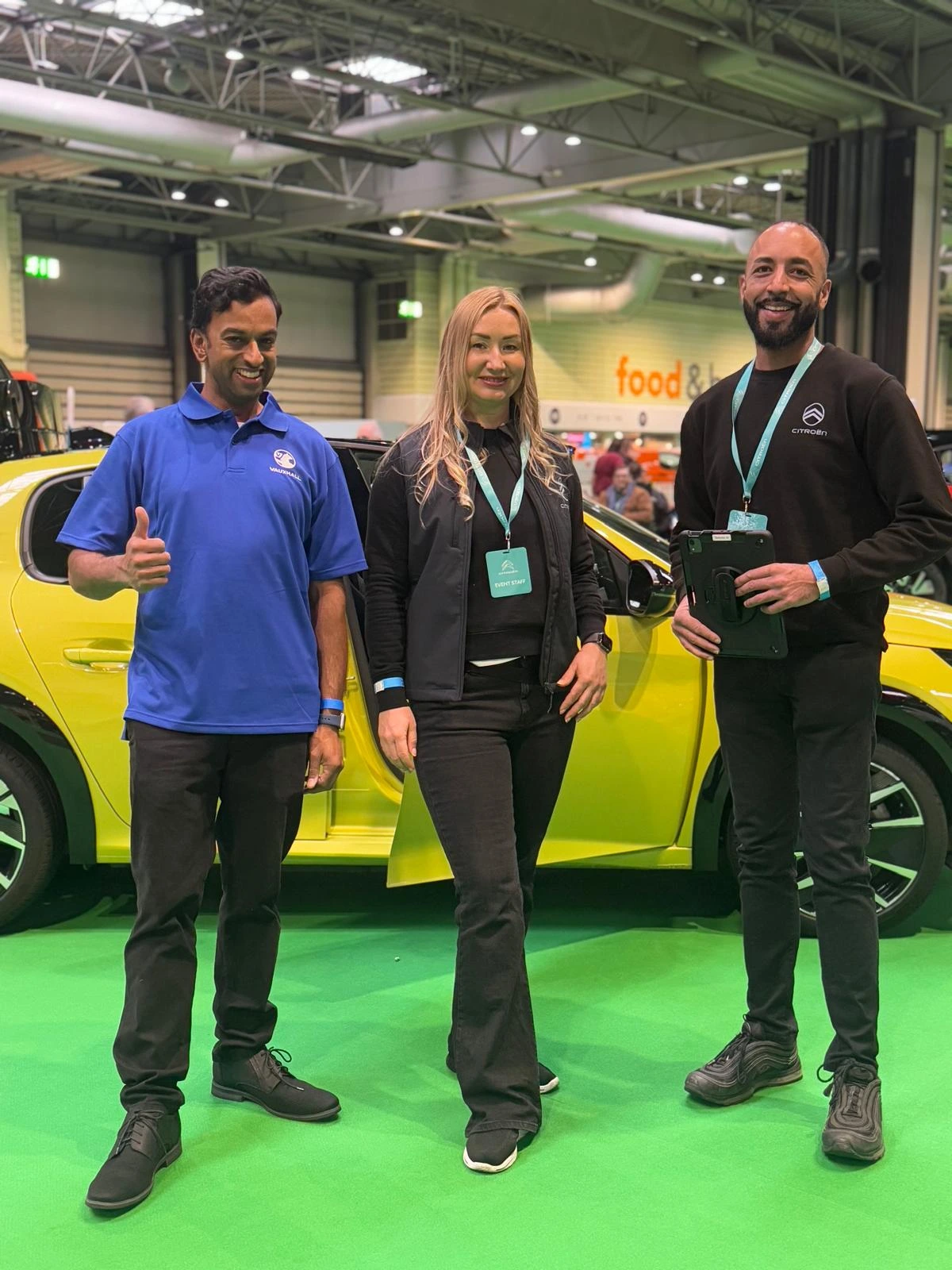
Experiential marketing is a strategic advertising method that focuses on helping consumers experience a brand through immersive, interactive, and live events. Unlike traditional advertising that relies on passive viewing, this approach uses psychological principles to engage multiple senses, evoke strong emotions, and create lasting memories. By understanding how the human brain processes sensory inputs, stories, and social cues, brands can design live activations that build deep, long-term customer loyalty and drive purchasing decisions far more effectively than static media.
Why does psychology matter in experiential marketing campaigns?
Experiential marketing focuses entirely on active participation and human interaction, making it the perfect setting to apply behavioural science. Human decision-making is often driven by subconscious cues and emotions rather than careful, cold analysis.
Neuroscientific research shows that live events stimulating multiple senses encode memories in the human brain in a way that regular text or visual ads simply cannot replicate. When a customer physically engages with a product, whether they are tasting a new beverage, trying out a live gadget demonstration, or participating in a pop-up event, they build a personal connection. To achieve this, modern brands must carefully select the right balance between broad event planning and targeted experiential marketing.
What psychological principles make live events so effective?
To design campaigns that leave a deep impression, marketers must tap into the natural ways people think, feel, and process information. By leveraging specific psychological triggers, a lively pop-up can stay fresh in a person’s memory long after a standard advert fades.
Emotion and decision-making
Feelings play a central role in almost every purchasing choice. Studies show that emotional responses to a live experience can predict future buying behaviour much more accurately than written surveys or statements of intent.
When a festival-goer experiences joy or surprise at a brand-sponsored activity, the brain triggers a chemical reaction, releasing dopamine that strengthens memory formation. By crafting events that deliberately appeal to these positive emotions, brands create a natural pathway toward long-term customer loyalty.
Positive associations and memory creation
Associative learning explains how human minds automatically link experiences with specific feelings or concepts. When a customer enjoys a pleasant, interactive installation, that positive mood becomes mentally tied to the brand name itself.
This psychological link can influence future shopping choices even when the individual is no longer consciously thinking about the specific event. To maximise this effect across different consumer touchpoints, companies often combine live gatherings with structured field marketing strategies to keep the brand top of mind.
Multi-sensory engagement
Engaging multiple senses, including sight, sound, taste, touch, and smell, makes an experience vastly richer. Neuroscientists have discovered that the more senses involved in a live event, the stronger the physical memory trace becomes in the brain.
- Food and beverage brands can combine ambient lighting, curated music, and rich aromas to heighten enjoyment during a public product tasting.
- Technology companies can utilise custom sound effects and physical, tactile product demonstrations to make new gadgets feel intuitive.
This multi-sensory approach creates layers of recall, naturally drawing participants in and giving the brand a permanent home in the customer’s mind.
Storytelling and narrative transportation
Humans are naturally wired to respond to stories. When an experiential event follows a clear narrative arc, introducing a setting, presenting a challenge, and delivering a satisfying conclusion, people become emotionally invested.
Psychologists refer to this phenomenon as narrative transportation, which is the exact moment an individual becomes so absorbed in a story that they feel part of it. Experiential events harness this by using themed environments and live performances that place the audience directly at the centre of the action, making the core brand values easier to remember and share.
Trust and social proof
People look to the actions of others for guidance when making decisions, a principle known as social proof. Seeing crowds enjoy a product or witnessing high participation rates at an interactive stand reassures potential customers that a brand is credible and worth exploring.
Trust is further strengthened when brand ambassadors, influencers, or respected community figures actively endorse the experience. Experiential campaigns can highlight this social proof by displaying live social media feeds on-site, encouraging user-generated content, or showcasing real-time reviews.
Surprise and novelty
Unexpected moments trigger an incredibly strong response in the brain, instantly making memories more vivid. A sudden live performance, an unannounced premium product giveaway, or an interactive twist can delight participants and create stories they are eager to share with friends. This element of novelty differentiates a company from its competitors, though the surprise must always feel positive and relevant to the actual brand message.
How do successful brands use psychology in real-world campaigns?
Many global brands have successfully combined these psychological principles to generate measurable business growth. For instance, a well-known coffee company previously created a sensory pop-up café featuring custom lighting, specific acoustic music, and unique flavours. This campaign generated widespread social media coverage and directly increased sales of its new blend.
Similarly, a sportswear brand once built an immersive running experience utilising live DJs and virtual landscapes. By stimulating multiple senses simultaneously, they left participants excited to share their personal stories online, proving that emotional and sensory engagement leads to higher recall rates.
How to design a psychologically optimised experiential campaign
Creating a live marketing campaign that truly resonates begins with deep audience research. Companies must discover what motivates their target customers, which specific emotions drive their purchasing choices, and which sensory cues will capture their attention in a crowded public space.
When establishing a new campaign, it is incredibly helpful to partner with specialists who understand what a field marketing agency does on the ground, which includes managing staff, orchestrating logistics, and driving face-to-face consumer awareness. To build a robust framework, brands should integrate the following practical steps:
- Define the emotional goal: Clearly identify whether the event aims to spark excitement, nostalgia, comfort, or curiosity.
- Incorporate sensory layers: Use curated playlists, specific lighting designs, tactile elements, or unique scents to deepen memory retention.
- Build a guiding narrative: Create a clear, physical path or storyline that guides participants through the activation from start to finish.
- Encourage instant social sharing: Design photo opportunities, custom hashtags, or digital filters to amplify the event's reach online.
- Measure key performance data: Track concrete metrics such as event attendance, social media mentions, direct voucher redemptions, and subsequent product conversions.
For businesses looking to implement these steps seamlessly, exploring creative field marketing ideas can provide inspiration for localised pop-ups that draw people into the brand story.
When should a brand prioritise field marketing activities?
Integrating physical outreach with broader campaign strategies ensures that a brand connects with its audience in the real world. For companies preparing a major product debut, using specialised product launch event management strategies ensures that both physical setups and psychological touchpoints are optimised for immediate commercial success.
To scale these efforts, marketers can deploy a selection of 20 high-impact field marketing activities that drive real results, such as street teams, interactive pop-up shops, or localised sampling campaigns. This strategic combination answers the fundamental question of what is brand activation in marketing, which is the process of making a brand known, trusted, and driving action through memorable, interactive experiences.
If you are looking to design these types of results-driven activations, The Ann Savva Group combines decades of experience in brand marketing with cutting-edge strategies to deliver massive impact on the ground. Additionally, for professionals looking to deliver these experiences firsthand, exploring opportunities to join us can connect you directly with leading campaigns in the experiential sector.
What ethical considerations protect long-term consumer trust?
While psychological insights are incredibly powerful tools, they must always be used responsibly. Brands must respect consumer privacy, secure explicit consent for any on-site data collection, and maintain absolute transparency regarding sponsored content or influencer partnerships.
Overly manipulative tactics or deceptive environments risk damaging consumer trust, which can quickly lead to negative publicity or regulatory issues. Ethical experiential marketing focuses on providing genuine value, entertainment, and education to participants. This approach ensures that the positive memories created are based on honest, authentic human interaction rather than hidden, underlying persuasion.
FAQs on Experiential Marketing
What is the difference between event marketing and experiential marketing?
Event marketing typically focuses on the logistical promotion and hosting of a gathering, such as a conference or concert, whereas experiential marketing focuses on creating highly interactive, immersive, and sensory experiences within that event to deeply connect consumers to a brand.
How do you measure the success of an experiential marketing campaign?
Success is measured by tracking a combination of direct on-site engagement metrics, total event attendance, social media reach via user-generated content, brand sentiment surveys, and long-term sales conversions from tracked promo codes or digital links.
Why is sensory marketing so important for consumer memory?
Sensory marketing is vital because human brains are biologically wired to form stronger, more resilient memory pathways when multiple senses are stimulated simultaneously, making the brand far easier to recall during future purchasing decisions.
Can small businesses execute effective experiential marketing on a budget?
Yes, small businesses can achieve great results by focusing on localised pop-ups, creative street sampling, or interactive community challenges, as the psychological impact relies on emotional resonance, surprise, and novelty rather than a massive budget.
What is the primary goal of brand activation within live events?
The primary goal of brand activation is to shift consumers from passive awareness to active engagement, using interactive experiences to breathe life into the brand and form a lasting, trusted relationship with the audience.