Ambush Marketing or Ambush Advertising: How to Do It Right
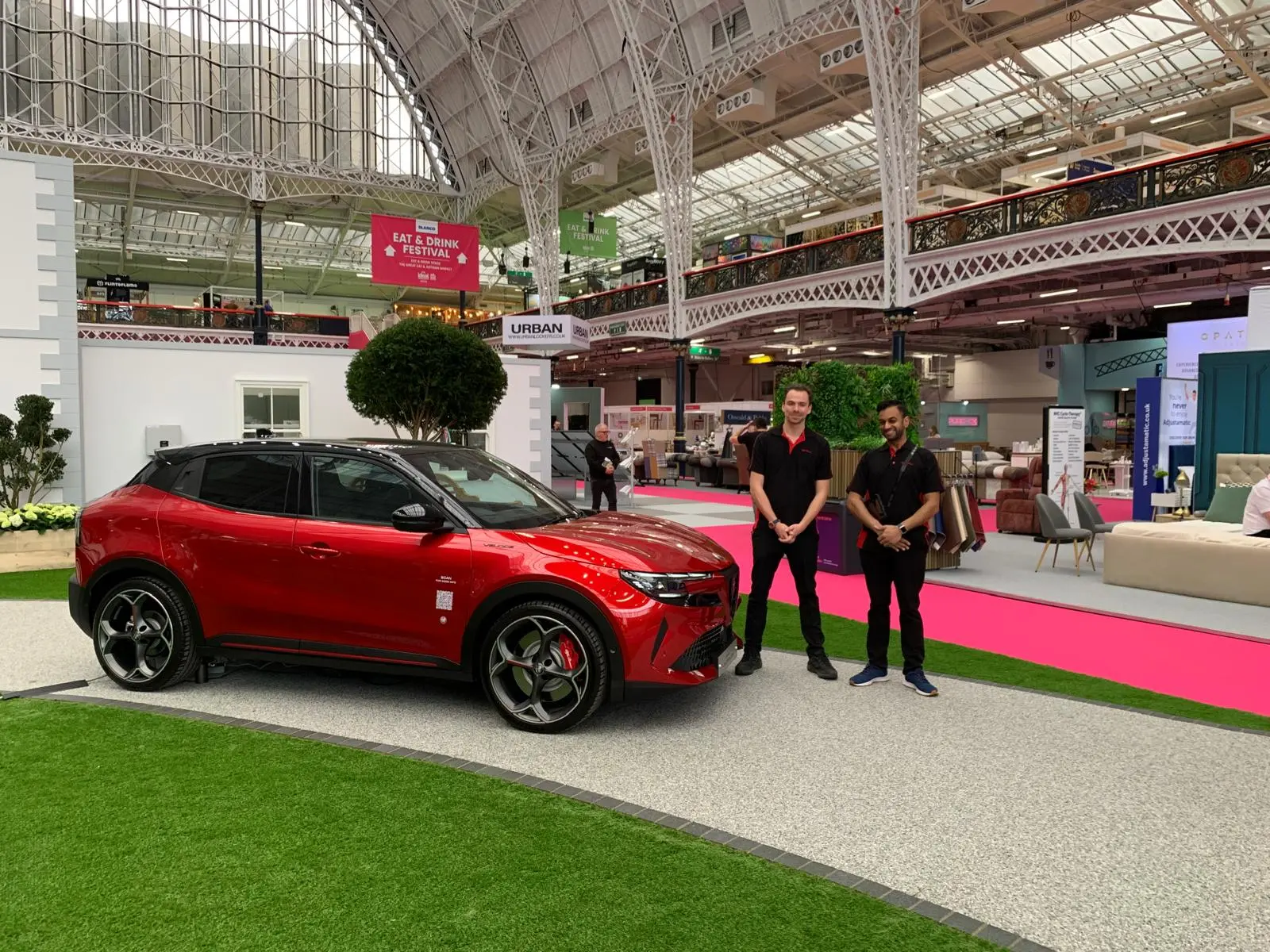
Ambush marketing is a strategy where a brand associates itself with an event without being an official sponsor, aiming to gain exposure and connect with the audience attending or following the occasion. Big brands spend millions securing sponsorship rights for major events, yet many competitors still find ways to gain attention without paying the same fees.
It allows companies to ride the wave of excitement surrounding events, cultural moments, or competitor campaigns without official sponsorship deals. For businesses, especially those working with tighter budgets, this approach can level the playing field. Instead of being locked out due to high costs, they can still connect with audiences and spark conversations.
The challenge, however, lies in doing this legally and effectively, while avoiding reputational risks. Many of these activations rely heavily on modern event and experiential marketing strategies for memorable brand engagement to truly resonate with the crowd. Understanding ambush marketing is essential for modern marketers who want to build brand visibility in clever, impactful, and cost-efficient ways.
Why does ambush marketing or ambush advertising matter today?
Ambush marketing has grown in importance because consumer attention is harder to capture than ever. Big events such as the Olympics, World Cup, or high-profile product launches dominate media coverage, and audiences often focus on these moments more than traditional advertising.
- Caps on Costs: For smaller or challenger brands, the official sponsorship route can be out of reach due to cost barriers. Ambush strategies offer a way to capitalise on the buzz without the official partnership, putting their message in front of millions.
- The Power of Social Media: A clever campaign can go viral within hours, making an impact far beyond the event itself. Social media plays an equally critical role in B2B marketing, showing that digital channels are vital for expanding any campaign's reach.
- Long-Term Impact: Unlike sponsorship, where the benefits fade once the event ends, ambush campaigns can spark conversations that live on for weeks. Word of mouth marketing can amplify this effect, turning short-term stunts into sustained organic discussions.
The Balance: Brands must balance the benefits with the risks, as poorly executed campaigns can be called out by consumers or even lead to legal challenges.
What is the difference between ambush marketing and guerrilla marketing?
Ambush marketing is often confused with guerrilla or ambient marketing, but they are distinct approaches.
- Ambush Marketing: Specifically targets events or competitor campaigns, aiming to "hijack" visibility from official sponsors.
- Example: Nike creating campaigns during the Olympics without being an official sponsor.
- Guerrilla Marketing: Focuses on unconventional, surprise tactics designed to capture attention in public spaces, without necessarily connecting to a competitor's sponsorship.
- Example: Flash mobs or street art designed to promote a brand.
- Ambient Marketing: Involves placing ads or messages in unusual or unexpected places to create memorable impressions.
- Example: Creative billboards or ads in elevators, restrooms, or other overlooked spaces.
Understanding the differences helps marketers select the most effective strategy. Ambush works best when tied to large events, guerrilla suits disruptive creativity, and ambient focuses on context-based impressions.
What are the types of ambush marketing with examples?
Ambush marketing can take several different forms, each with its own approach and impact. Broadly, these strategies are classified into direct, indirect, and incidental types. Direct ambush campaigns deliberately challenge or compete with event sponsors, while indirect approaches create subtle associations without explicit claims. Incidental ambushes, meanwhile, happen when a brand benefits from exposure unintentionally.
Direct Ambush Marketing
Direct ambush marketing is when a brand intentionally inserts itself into an event to compete with official sponsors. This often involves predatory tactics (directly challenging a sponsor), coattail ambushing (riding on event publicity), self-ambushing (when official sponsors break their own rules), or trademark infringement (unauthorised use of event marks).
- The Example: One of the most famous examples is the rivalry between American Express and Visa. During the Winter Olympics, Visa was the official sponsor, but American Express ran ads suggesting that viewers didn't need a Visa to travel, indirectly linking itself to the event. Many audiences associated Amex with the Olympics, despite Visa paying for sponsorship rights. This highlights how direct ambush tactics can confuse or divert consumer attention, delivering strong brand exposure at the expense of official partners.
Indirect Ambush Marketing
Indirect ambush marketing avoids direct competition or use of trademarks but creates an implied connection with an event. Instead of openly stating involvement, these campaigns rely on creative associations, timing, and placement to capture audience attention.
- The Example: RONA, a Canadian paint retailer, famously placed a billboard beneath Apple's iPod Nano advertisement, which showed dripping paint colours. Their tagline, "We recycle leftover paint" turned Apple's ad into a backdrop for their own promotion. Similarly, Samsung has repeatedly set up pop-up stalls near Apple product launches, capitalising on the hype without official event ties. These indirect tactics are often safer legally but still raise ethical debates. They showcase how clever positioning and creativity can deliver exposure without official investment.
Incidental Ambush Marketing
Incidental ambush marketing occurs unintentionally, where a brand gains exposure at an event without deliberate action. This usually happens when celebrities, athletes, or influencers bring products into the spotlight.
- The Example: A well-known example is when athletes wore Beats by Dre headphones during the Olympics, even though other brands were official sponsors. The wide TV coverage and media attention inadvertently gave Beats enormous publicity, overshadowing the sponsors who had paid for exclusive rights. In such cases, the brand doesn't actively plan the campaign, but it still benefits from the exposure and association. While these cases might seem accidental, they highlight how consumer behaviour, influencer choices, and cultural trends can create powerful marketing outcomes without formal agreements.
Why do brands use ambush marketing?
Ambush marketing remains appealing because it offers significant advantages compared to official sponsorships:
- Cost-Effective Exposure: Sponsorship deals at major events can cost millions. Ambush strategies provide similar exposure at a fraction of the cost, levelling the playing field for smaller brands.
- Flexibility & Creativity: Without sponsorship restrictions, brands can be more inventive with campaigns, timing, and platforms. Designing highly interactive physical experiences relies heavily on the core psychology of experiential marketing to naturally captivate audiences.
- Competitive Disruption: Ambush marketing is a direct way to steal attention from rivals, often shifting the narrative.
- Rapid Buzz & Social Sharing: Clever stunts or ads can quickly go viral, spreading far beyond the event and delivering long-term brand awareness. This viral spark is incredibly effective when targeting younger demographics, making it a cornerstone of successful Gen Z experiential marketing.
For businesses, the appeal is clear: ambush marketing can deliver visibility and impact without the heavy financial commitment of official deals.
What are the risks and challenges of ambush marketing?
- Legal Risks & Enforcement: Major sporting bodies such as FIFA or the Olympics create "clean zones" around venues, where only official sponsors can advertise. Breaching these restrictions can result in fines, lawsuits, or removal of branded material.
- Ethical & Reputational Risks: Some campaigns are seen as unfair or misleading, potentially damaging trust. For example, audiences may criticise a brand for piggybacking without contributing to event costs.
- Costs & ROI Challenges: While cheaper than sponsorship, ambush marketing isn't always inexpensive. Creating large-scale campaigns or stunts requires investment, and the return can be difficult to measure compared to structured sponsorship benefits.
These challenges mean brands must carefully balance creativity with compliance, ensuring their campaigns deliver positive outcomes without sparking backlash.
What are the best practices for ethical and effective ambush marketing?
Stay Creative Without Deception
The most effective ambush campaigns are clever but transparent. Brands should avoid misleading audiences into thinking they are official sponsors. Deceptive tactics can backfire and damage trust. Instead, companies should focus on originality, humour, and timing. Campaigns that make people smile or think are far more likely to be shared positively. Keeping the audience at the heart of the message ensures long-term goodwill rather than short-lived stunts.
Know Legal Boundaries Before You Launch
Every major event has specific rules about what can and cannot be promoted nearby. Before running an ambush campaign, brands should research legal boundaries in detail. For example, the Olympics and FIFA World Cup enforce strict advertising laws, and breaking them can result in heavy fines. Consulting with legal teams or industry experts ensures campaigns remain compliant while still delivering strong impact. Being proactive about compliance reduces the risk of penalties or reputational harm.
Leverage Influencers Strategically
Influencers and celebrities can amplify ambush campaigns by creating indirect associations. If a well-known figure wears or uses a product during a major event, it can generate massive exposure without violating sponsorship agreements. This is often seen with athletes or entertainers who prefer certain products even if they are not official partners. Choosing the right influencer, someone aligned with the brand's values, can create credibility while maintaining an ethical edge.
Time Your Campaign Precisely
Timing is crucial in ambush marketing. Campaigns need to launch when audience attention is at its peak, but without overshadowing the main event. A well-timed ad, stunt, or online campaign can ride the wave of excitement and gain visibility far beyond the physical venue. Brands should plan their release carefully, aligning content with key moments such as opening ceremonies, product launches, or finals. Incorporating localised, boots-on-the-ground activations using targeted field marketing strategies can maximise this real-time impact.
Track Results, Learn, Adapt
Measuring the performance of ambush campaigns is often challenging but vital. Tracking tools like social media analytics, web traffic data, and brand mentions can provide insight into how effective a campaign has been. Post-event analysis helps determine whether the strategy increased brand awareness, generated leads, or drove sales. Over time, brands can refine their approaches, learning what resonates with audiences and what risks are worth taking. Continuous improvement is key to sustainable success.
When should a brand consider ambush marketing?
It works best when:
- Sponsorship costs are unaffordable.
- The goal is rapid attention and visibility.
- Creativity and humour can win audience approval.
- Social media buzz is a key marketing objective.
- Competitors dominate official sponsorships.
Avoid it when:
- Legal restrictions are very strict.
- Brand reputation could suffer from backlash.
- Long-term partnerships with event organisers matter.
- Measuring ROI is the top priority.
- The budget cannot cover potential legal expenses.
FAQs on Ambush Marketing
Is ambush marketing legal?
It sits in a grey area. It is generally legal unless it violates trademark laws, event-specific local regulations, or explicit contractual agreements like the strict advertising "clean zones" established by FIFA or the Olympics.
How does ambush marketing differ from guerrilla marketing?
Ambush marketing captures attention by connecting a brand to a specific major event without a sponsorship agreement. Guerrilla marketing uses unconventional, surprise tactics to engage audiences in everyday public spaces, independent of any major event.
What are some real-world examples of ambush marketing?
Key examples include:
- American Express: Running ads saying travellers didn't need a "Visa" during the Visa-sponsored Winter Olympics.
- Bavaria Beer: Sending women into a FIFA match in branded clothing to capture global TV coverage.
- Nike: Launching the "Find Your Greatness" campaign during the Adidas-sponsored London Olympics.
- Samsung: Placing pop-up stores right next to official Apple iPhone launch events.
- RONA: Positioning a recycling billboard directly underneath a dripping-paint Apple ad.
- Beats by Dre: Gaining massive free exposure when Olympic athletes wore their headphones on camera.
What are the main benefits and risks of ambush marketing?
- Benefits: High audience visibility, huge cost savings over formal sponsorships, creative freedom, and strong potential to create viral social media buzz.
- Risks: Severe legal penalties or lawsuits for trademark violations, negative public backlash for unethical behavior, and difficulty tracking clear ROI.
Is ambush marketing worth the risk?
Ambush marketing can be a powerful way to gain visibility, challenge competitors, and spark conversations without incurring the high costs of traditional sponsorship fees. When executed well, it delivers creativity, audience engagement, and cost savings that rival official sponsorships. However, the risks, legal, ethical, and reputational, should never be ignored. Businesses must weigh the potential benefits against the possible downsides and ensure compliance with event rules.
For some brands, ambush marketing is the perfect opportunity to stand out. For others, traditional sponsorship or guerrilla marketing may be more appropriate. The key lies in thoughtful planning, precise timing, and respect for both audiences and event organisers. Done right, ambush marketing is not just cost-effective, it can be unforgettable.
Looking to launch your next big brand activation or campaign? Reach out to The Ann Savva Group to work with our specialist team, or join us today if you are a professional ready to represent the world's leading brands.